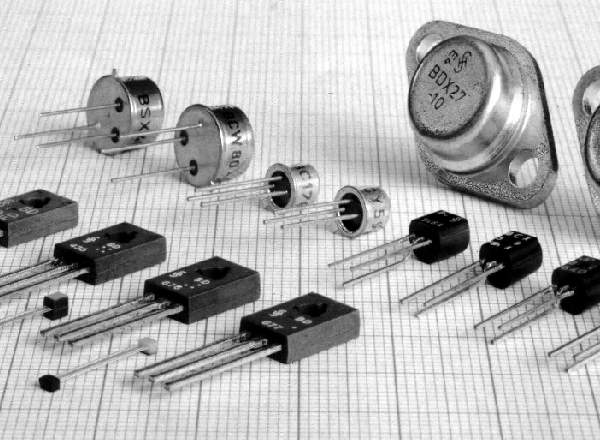


Bipolar Junction Transistor (BJT):

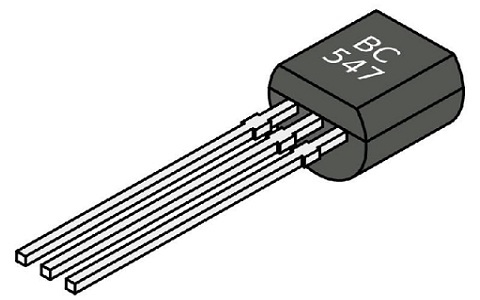
Bipolar Junction Transistor (BJT): there are three terminals in a BJT transistor which are emitter Base and collector.
- Current control with current
- Affected by temperature quickly
- Breaks Quickly
- Used mostly in hobby Projects
- Low switching speed
- There two types of BJT transistors PNP and NPN NPN: a type of transistor where one P-type semiconductor is sandwiched between the two N-type semiconductors.
PNP: a type of transistor where one N-type semiconductor is sandwiched between the two N-type semiconductors.
Field effect Transistors (FET)
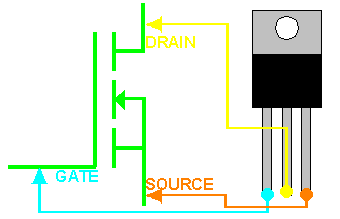
Field effect Transistors (FET): the three terminals of an FET transistor are Gate Source and Drain.
- Current control with voltage
- Long lasting compared to BJTs
- High switching Speed
Types Of Field effect Transistors (FET)
There are two types of FET transistors Junction Field Effect Transistor (JFET) and Metal Oxide Silicon Field Effect Transistors (MOSFET)
JFET
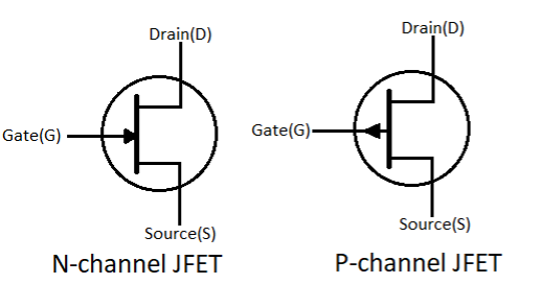
There are two types Of JFET transistors P and N type applications of JFET transistors are:
- switch
- buffer
- used in oscillatory circuits
- used in cascade amplifiers
Advantages of JFET transistors are:
- JFETs gave a high impedance
- JFETs are low power consumption devices
disadvantages of JFETs s:
- It has a low gain-bandwidth product
MOSFET
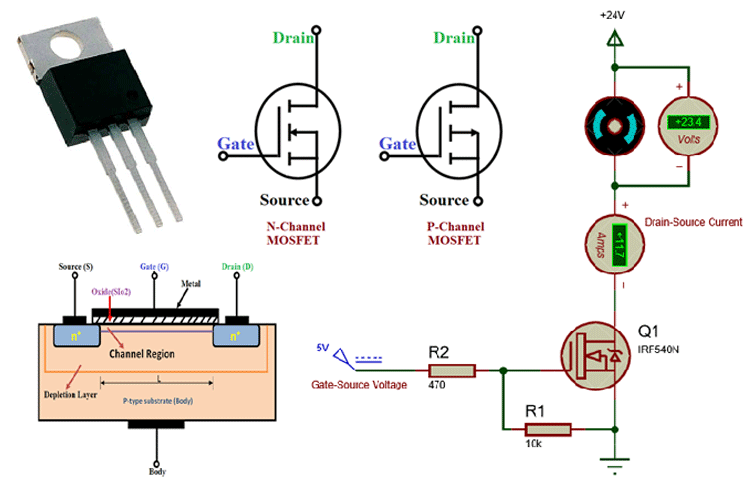
There are two types of MOSFET transistors P and N type
Applications of MOSFET
- Used in Radios.
- MOSFET acts as a passive circuit element.
- Power MOSFETs are used to regulate DC motors.
- MOSFETs operate at greater efficiency at lower voltages.
- Absence of gate current results in high input impedance producing high switching speed.
- MOSFETs are vulnerable to damage by electrostatic charges due to the thin oxide layer.
- Overload voltages make MOSFETs unstable.